When considering heavy machinery for construction and landscaping, many professionals ask, "What is the difference between a skid steer and a compact track loader?" John Smith, a leading expert in construction equipment, notes, "Both machines serve unique purposes, but their differences can greatly affect efficiency on the job."
Skid steers are lighter and more versatile. They operate well on hard surfaces. Compact track loaders, on the other hand, excel in rough terrains, thanks to their wider tracks. This design provides better stability and lower ground pressure. The choice between the two often depends on the working environment.
Job requirements can also affect the decision. Some users may prefer the agility of a skid steer. Others might need the traction of a compact track loader when moving through muddy or sandy soil. Understanding these differences can help make a more informed choice. Thus, it's clear that selecting the right equipment is vital for optimizing performance in various conditions.
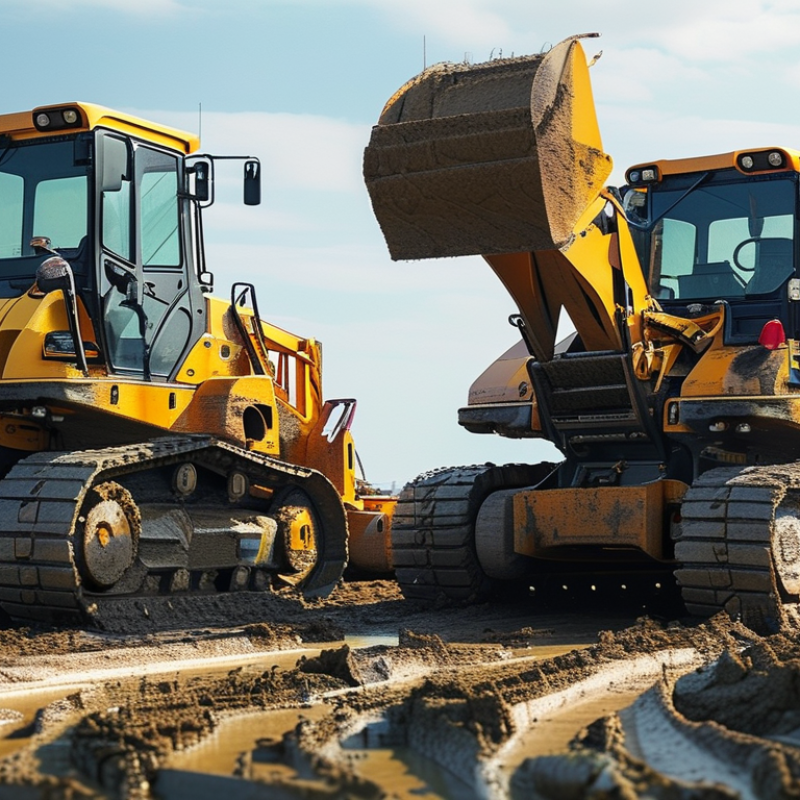
Overview of Skid Steers and Compact Track Loaders
Skid steers and compact track loaders serve essential roles in construction and agriculture. Both machines excel in confined spaces. Skid steers offer a small footprint, enabling them to maneuver easily. Their turning radius is tight. This feature is critical when operating in narrow areas.
In contrast, compact track loaders provide superior stability. They distribute weight more evenly across tracks. This results in better traction on soft or uneven surfaces. A report by the Association of Equipment Manufacturers highlights that compact track loaders excel in muddy conditions. Their versatility allows operators to handle a range of attachments effectively.
Both types of equipment have their strengths, depending on job requirements. Operators sometimes face challenges when choosing between the two. Skid steers are lighter, making them ideal for delicate tasks. Yet, their limited traction is a concern on uneven ground. Compact track loaders weigh more but excel at heavier lifting. Ultimately, the choice requires careful consideration of the specific site conditions. Understanding these details is key for maximizing efficiency in any project.
Key Design Features of Skid Steers
Skid steers are compact machines, designed for versatility and efficiency. Their unique design features contribute to their popularity in construction and landscaping. One key aspect is their zero-turn radius, allowing for tight maneuverability in confined spaces. This makes them ideal for tasks ranging from digging to lifting.
Another important design feature is the lift arm configuration. Skid steers often have vertical or radial lift options. Vertical lift arms provide better reach and higher lifting capacity, essential for loading materials onto trucks or containers. Radial lift arms, on the other hand, offer more digging power at the ground level, suitable for grading or excavating.
According to a 2021 industry report, skid steers have been shown to enhance productivity by approximately 25% in various construction tasks. However, they can lack stability on uneven surfaces compared to compact track loaders. This limitation leads operators to reconsider their selections depending on job site conditions. Understanding these nuances is crucial for making informed decisions.
Key Design Features of Compact Track Loaders
Compact track loaders are increasingly popular for various construction and landscaping tasks. These machines combine versatility with a track system. This design offers better stability on uneven terrain. Unlike skid steers, compact track loaders excel on soft or muddy ground. Their low ground pressure makes them ideal for sensitive surfaces.
One key design feature is the hydraulic system. Compact track loaders typically have higher lifting capacities. This enables them to handle heavier loads than skid steers. They also come with a wider range of attachments, enhancing their usability. Operators appreciate the improved visibility from the cab. This design allows for safer operation while maneuvering in tight spaces.
Tips for using compact track loaders effectively include regularly checking the track tension. Proper tension improves performance and reduces wear. Always assess the ground conditions before operating. Avoid overloading the machine to maintain stability and safety. Finally, routine maintenance is essential. Keeping everything in good condition ensures reliability and longevity. Using a compact track loader can be fantastic, but proper care is crucial.
Performance and Stability: Skid Steers vs. Compact Track Loaders
When comparing performance and stability, skid steers and compact track loaders exhibit distinct characteristics. Skid steers excel in maneuverability, making them suitable for tight spaces. Their smaller frame allows operators to navigate around obstacles with ease. According to industry reports, skid steers can turn in a radius as tight as 6 inches, providing exceptional agility on job sites. This feature is valuable when working within confined areas, such as urban environments.
On the other hand, compact track loaders provide superior stability on uneven terrain. Their wider stance and tracks distribute weight more evenly, reducing ground pressure. This design minimizes the risk of tipping, which is critical when operating on slopes or soft ground. A study highlighted that loaders with tracks can maintain stability in conditions where wheeled machines may falter, showcasing their advantage in rugged landscapes. However, they might struggle in tight spaces due to their larger size, limiting their versatility.
Both machines have specific strengths and weaknesses. Job requirements often dictate the choice. Understanding these nuances helps operators select the right equipment for their projects, emphasizing the importance of performance and stability in equipment selection.
Performance and Stability: Skid Steers vs. Compact Track Loaders
Applications and Use Cases for Each Type of Loader
When selecting between skid steers and compact track loaders, it's essential to consider their unique applications and use cases.
Skid steers are known for their agility and versatility. They are ideal for tight spaces and perform well on solid surfaces.
These loaders excel in landscaping projects, small construction sites, and material handling. Their compact size allows them to navigate easily while offering various attachments for different tasks.
On the other hand, compact track loaders shine on softer or uneven ground. Their tracks distribute weight more evenly,
preventing damage to lawns or fragile surfaces. They are perfect for digging, grading, and lifting in projects like site preparation and excavation.
Users appreciate their stability on inclines, making them suitable for hilly terrain. However, they can lack the maneuverability that skid steers provide in confined spaces.
Choosing the right loader depends on your job requirements. It’s crucial to assess the environment and the tasks at hand.
Each type of loader has its strengths and weaknesses. Understanding these differences can help you make an informed decision for your projects,
ensuring efficiency and effectiveness in operations.
FAQS
: Skid steers excel in maneuverability. They are great for tight spaces.
Their wider stance and tracks evenly distribute weight. This reduces ground pressure and prevents tipping.
They are ideal for landscaping and small construction sites. They work well on solid surfaces.
They are perfect for digging, grading, and lifting. They handle uneven ground excellently.
Yes, they can turn in a radius as tight as 6 inches. This makes them very agile.
No, their larger size limits their maneuverability in confined spaces. They excel on uneven terrain instead.
Consider your job requirements and environment. Assess the terrain and tasks needed for effective operation.
Yes, skid steers may struggle on soft ground, while compact track loaders can be less agile in tight spots.
It helps in making informed decisions for efficiency. Knowing strengths can enhance project outcomes.
Conclusion
In the discussion of heavy equipment, a common inquiry arises: what is the difference between a skid steer and a compact track loader? While both vehicles are compact and versatile, they differ significantly in design and application. Skid steers typically feature a rigid frame and a skid-steering system, allowing them to pivot in tight spaces but often struggle with stability on uneven terrain. Conversely, compact track loaders are equipped with rubber tracks, enhancing their performance on rough surfaces and providing better traction and stability.
Furthermore, each type of loader serves distinct purposes across various industries. Skid steers excel in confined environments and are ideal for landscaping and construction, whereas compact track loaders are suited for softer ground conditions like mud or snow, making them advantageous in agricultural and heavier construction applications. Understanding these differences can help operators select the right machine for their specific needs.

 Neto Forklifts