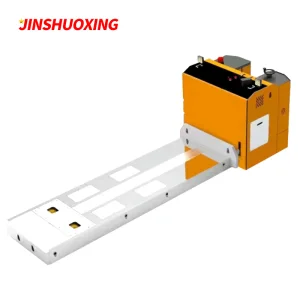
Large Tonnage Tractor 5t 6t 7t 8t Electric Pallet Truck Jacks with EPS Electronic Power Steering
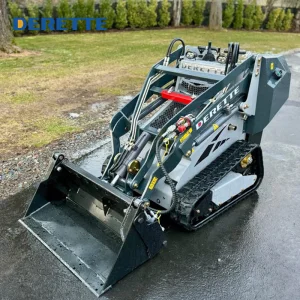
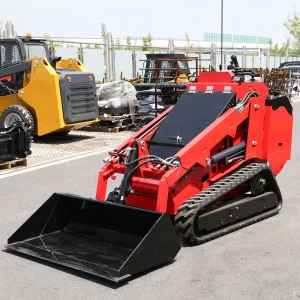
Derette Drt450 Mini Skid Steer Loader Compact Track Skid Loader Stand on Front End Loader
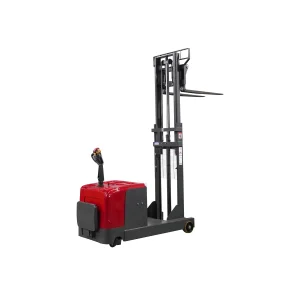
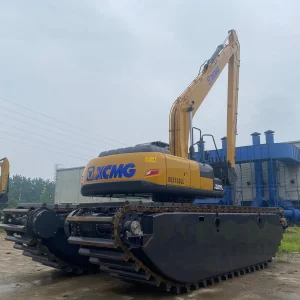
River Xe215sll Pontoon Amphibious Excavator with 15 Mtrs Long Reach Front
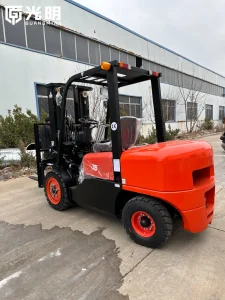
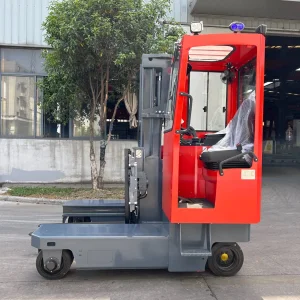
Full Free Mast/Duplex Mast/Triplex Mast 3000~5000mm Sideloader Forklift Fork Lift
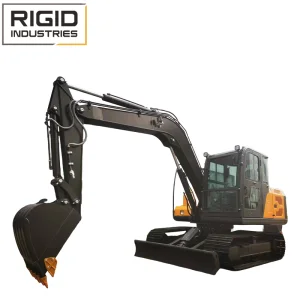
Good Quality Shockproof 9 Ton Crawler Excavator with Long Reach Arm
Understanding the technology difference, flotation capabilities, and structural engineering of modern multi-terrain loaders.
In modern earthmoving and construction sectors, multi-terrain tracked systems have set new performance standards. Historically referred to by the proprietary term "Posi-Track" (originally developed by ASV and integrated with patented undercarriage designs), these machines are recognized globally as Compact Track Loaders (CTLs). Unlike traditional wheeled skid steers or rigid metal-tracked crawlers, Posi-Track systems focus on minimizing ground pressure while maximizing tractive effort across unstable terrains, including mud, sand, clay, and delicate turf.
For international buyers, contractors, and national distributors, navigating the landscape of manufacturing plants is key to procurement success. Balancing initial capital expenditure (CAPEX) with long-term operational costs requires a detailed look at the global value chain. Today, manufacturers are divided into two main categories: legacy Western brands focusing on proprietary technological additions and Chinese Factory 4.0 centers offering advanced hydraulic packages, reliable powertrains, and significant cost advantages.
How state-of-the-art automation and advanced testing facilities redefine heavy machinery manufacturing.
Chinese heavy equipment manufacturing has transitioned from labor-intensive assembly lines to smart, automated factories. Factory 4.0 principles rely on integrated supply chains, automated welding, laser cutting, and real-time Quality Management Systems (QMS). By using robotics, plants achieve precision structural fabrication, minimizing human error and enhancing weld strength under heavy cyclic loads.
A prime example of this industrial capability is Anhui Neto Forklifts Co., Ltd., a modern enterprise specializing in the research, development, manufacturing, and sales of material handling equipment and construction machinery. With over 30 years of industry experience, Neto Forklifts delivers high-quality, reliable, and cost-effective solutions to customers worldwide.
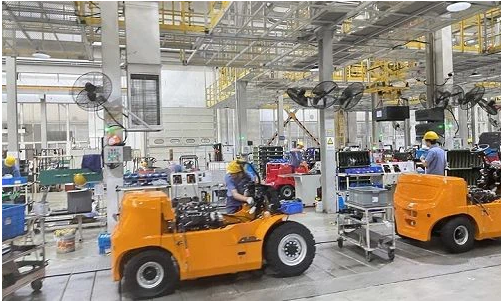
Neto Forklifts' manufacturing facilities are certified by ISO quality management systems and SGS. All products comply with CE standards, ensuring safety, durability, and international compliance. Their strong R&D team of more than 35 professional engineers and technicians supports continuous innovation and product optimization. To date, the company has obtained more than 30 patents, including invention patents, utility model patents, and design patents, all independently developed.
Maintaining strict quality control throughout the manufacturing process is achieved by utilizing advanced production and testing equipment, including:
Key technical trends shaping the next generation of multi-terrain compact tracked loaders.
Lithium Iron Phosphate (LFP) high-capacity batteries are replacing traditional internal combustion engines. By eliminating belt drives and standard hydrostatic loops in favor of dual-electric motors, electric loaders offer near-silent operations, zero tailpipe emissions, and instant peak torque for quick digging cycles.
Integration of LiDAR sensors, stereo-vision cameras, and real-time RTK GPS systems enables semi-autonomous path planning, collision avoidance, and remote control capabilities. This allows operators to run loaders safely away from hazardous zones like mining tunnels or steep slopes.
IoT gateways continuously monitor hydraulic fluid temperatures, pressure levels, and track tensioning variations. Real-time diagnostic data is transmitted to cloud networks, prompting automated maintenance alerts before components fail, optimizing fleet performance.
Aligning equipment configuration with challenging site environments and procurement targets.
Operating in thick brush and soft soils requires specialized configurations. Forestry packages require high-flow auxiliary hydraulics (up to 40-45 GPM at 4,000+ PSI) to drive heavy-duty mulcher heads. Additional requirements include heavy-duty steel cab guarding, FOPS (Falling Object Protective Structure) Level II compliance, and robust undercarriages to withstand impacts from rocks and stumps.
Urban job sites require high maneuverability, minimal surface damage, and versatility for attachments like cold planers, trenchers, and sweepers. Posi-Track loaders are key in these environments because they distribute weight evenly, preventing damage to sub-bases, utility lines, and asphalt, while offering lifting capacity to move pallets, gravel, and pipe sections.
Procurement departments vet CTL manufacturers on more than just initial price. A comprehensive sourcing process evaluates Total Cost of Ownership (TCO), production times, custom capabilities, and after-sales support networks. The table below outlines key criteria for sourcing industrial loaders:
| Sourcing Metric | Primary Target Value | Key Parameters to Evaluate |
|---|---|---|
| Hydraulic System Output | Standard: 20-25 GPM | High-Flow: 35-45 GPM | Check valve configurations and internal coolers to prevent overheating during continuous heavy attachment operations. |
| Engine Integration & Compliance | EPA Tier 4 Final / EU Stage V | Confirm engine brand availability (e.g., Yanmar, Kubota, Cummins) to secure parts availability in destination countries. |
| Undercarriage Design | Torsion Axle Suspension | Determine the number of contact rollers. More rollers distribute weight better, reducing track wear and improving operator comfort. |
| Customization (OEM/ODM) | Flexible Auxiliary Ports & Valving | Confirm custom electrical harness options to support third-party attachments. |
Essential compliance steps and warranty structures for direct importing.
Importing heavy industrial equipment requires careful validation of safety and environmental certifications. Operating machinery that lacks local compliance can result in customs seizures, project delays, or insurance issues. Ensuring the manufacturer has verified certifications is critical:
Anhui Neto Forklifts Co., Ltd. provides a structured service program to support its global distribution network, which spans over 180 countries and regions:
1. Quality Assurance & Warranty: A comprehensive 12-month warranty from the Bill of Lading (BL) date ensures coverage for core structural components, main pumps, and motors.
2. After-Sales Replacement Parts: A fast-response parts delivery system provides replacement components via courier (DHL/FedEx) or sea freight. If troubleshooting indicates no physical component damage, Neto's technical team provides remote diagnostics and solutions.
3. Installation & Commissioning: Detailed machinery inspections, testing logs, and commissioning checklists are provided. For complex industrial setups, Neto can dispatch service technicians to assist on-site.
4. Operator & Technician Training: Customized training plans are available at Neto's production plants or on-site to ensure operators understand safe operating procedures and maintenance protocols.
Over 30 years of manufacturing experience, advanced machinery solutions, and a global distribution footprint.
Established as a modern enterprise specializing in material handling equipment and construction machinery, Anhui Neto Forklifts Co., Ltd. has developed a strong reputation in the heavy machinery sector. By integrating scientific R&D with modern assembly lines, the factory serves diverse application markets worldwide.
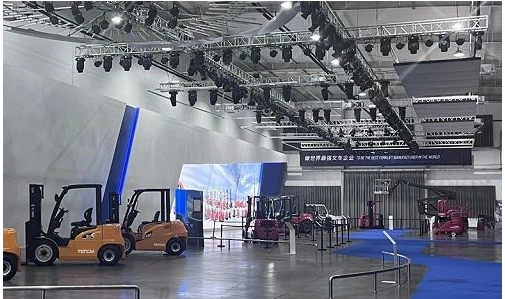
Neto Forklifts designs and manufactures heavy equipment for diverse industrial, logistical, and agricultural applications, including:
Their machinery is widely used in building material retail stores, manufacturing plants, repair shops, agricultural enterprises, and urban construction projects.
Neto Forklifts exports to over 180 countries and regions, with established distribution agreements and authorized service centers in more than 20 countries, including the United States, Canada, Brazil, Australia, Russia, and Turkey. Their products have successfully passed certifications from internationally recognized bodies such as SGS, TUV, BV, and INTERTEK, proving their compliance with global standards.
A comparative review of the world's leading Compact Track Loader (CTL) manufacturers.
To assist procurement managers in vetting suppliers, here is an analytical overview of the top 10 factories and exporters in the tracked loader sector:
Answers to common technical and purchasing questions about Posi Track Loaders.
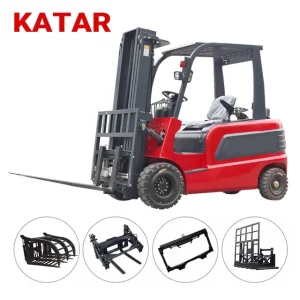
Outdoor All-Rounder Multi-Directional Reach Multidirectional Sideloader Electric Forklift
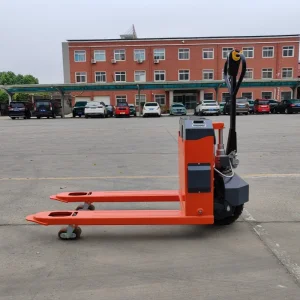
off-Road Electric Pallet Jack Versatile Electric Pallet Truc for Heavy Loading
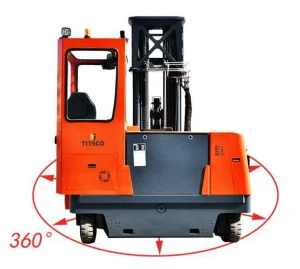
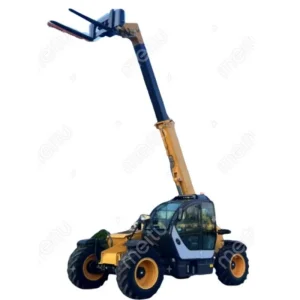
Factory Price Diesel Power 6-18meters 2-4tons Telescopic Handler Forklift Telehandler with Fork
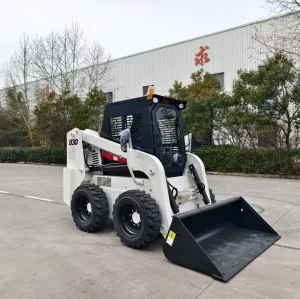
Top Brand New 1 Ton Mini Skid Steer Loader My830 Wheel Front End Loader
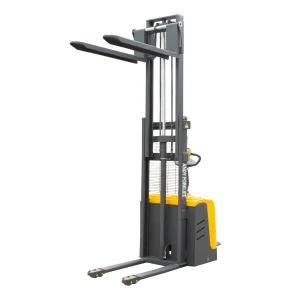
 Neto Forklifts